Eight diagrams. The design discipline.
These diagrams set the architectural envelope. The design itself will be developed by the appointed architect, working within this discipline. Pinch and zoom on any diagram to read the detail.
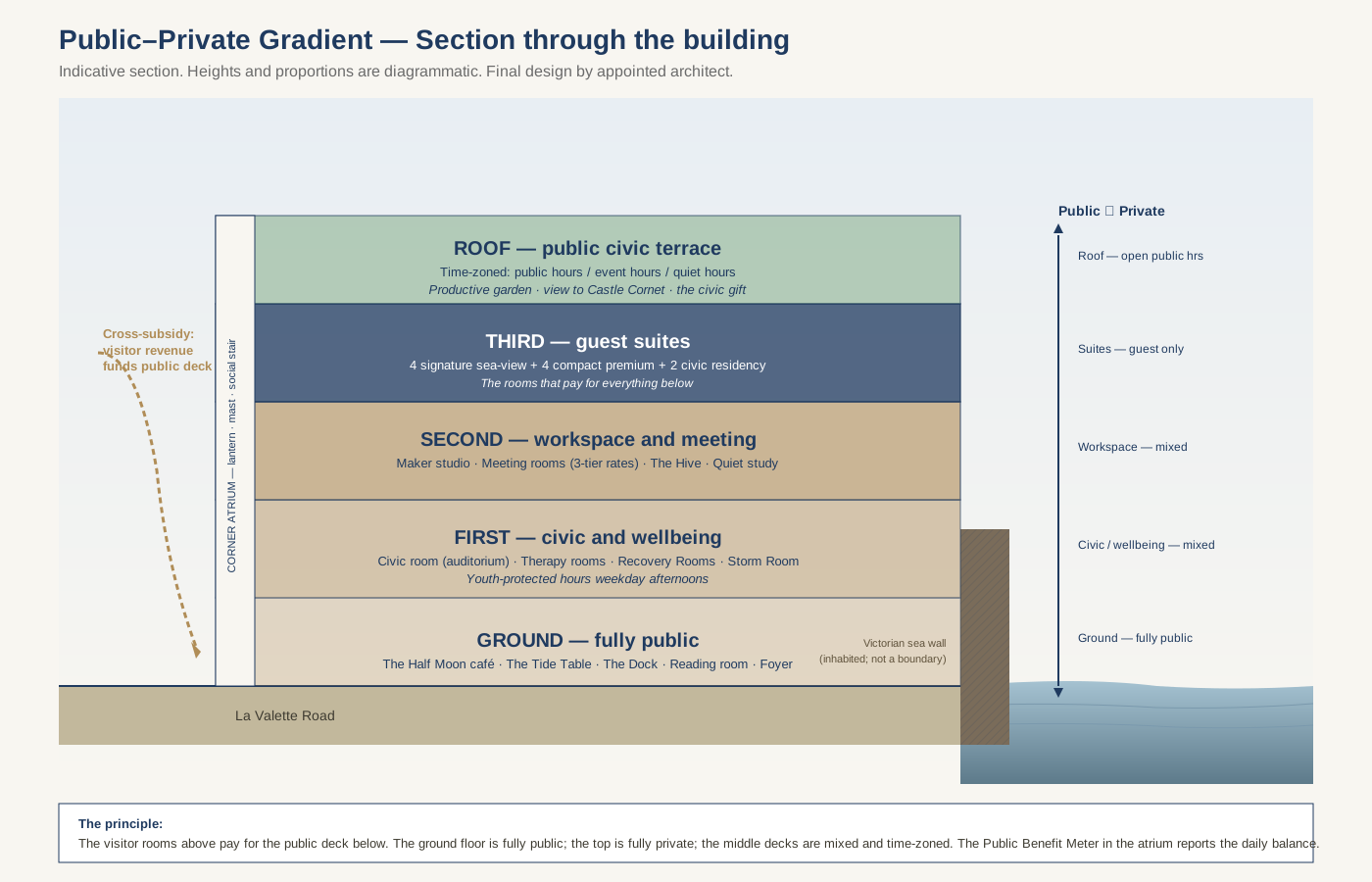
Section through the building. The visitor rooms above pay for the public deck below. The ground floor is fully public; the top is fully private; the middle decks are mixed and time-zoned.
The cross-subsidy is hard-coded into the building's section. Five floors of vertical zoning, with the Public Benefit Meter in the corner atrium reporting the daily balance to anyone who walks in.
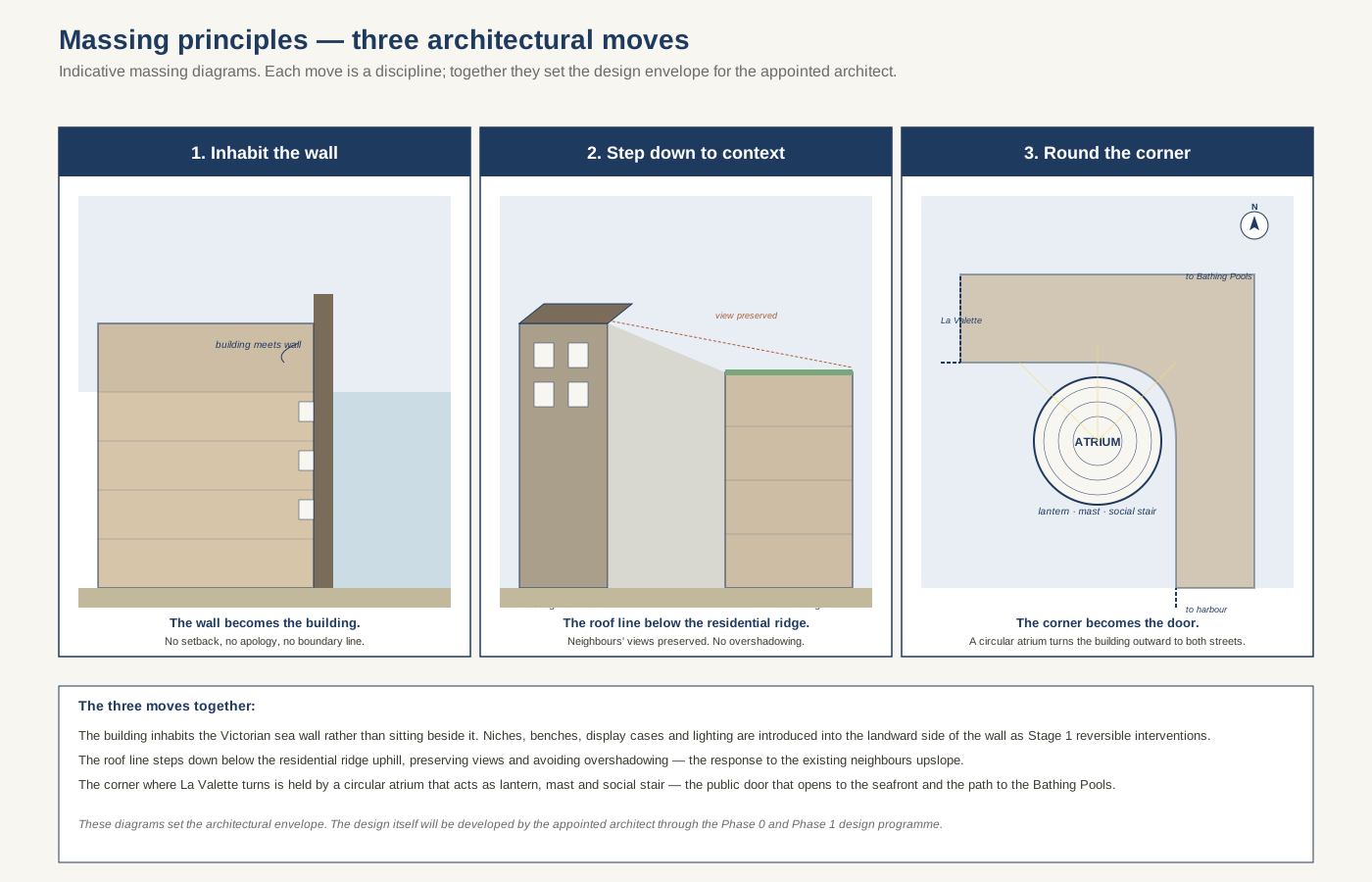
Massing principles — three architectural moves: inhabit the wall, step down to context, round the corner.
The building inhabits the Victorian sea wall rather than sitting beside it. The roof line steps down below the residential ridge uphill. The corner is held by a circular atrium that opens to both streets — La Valette and the path to the Bathing Pools.
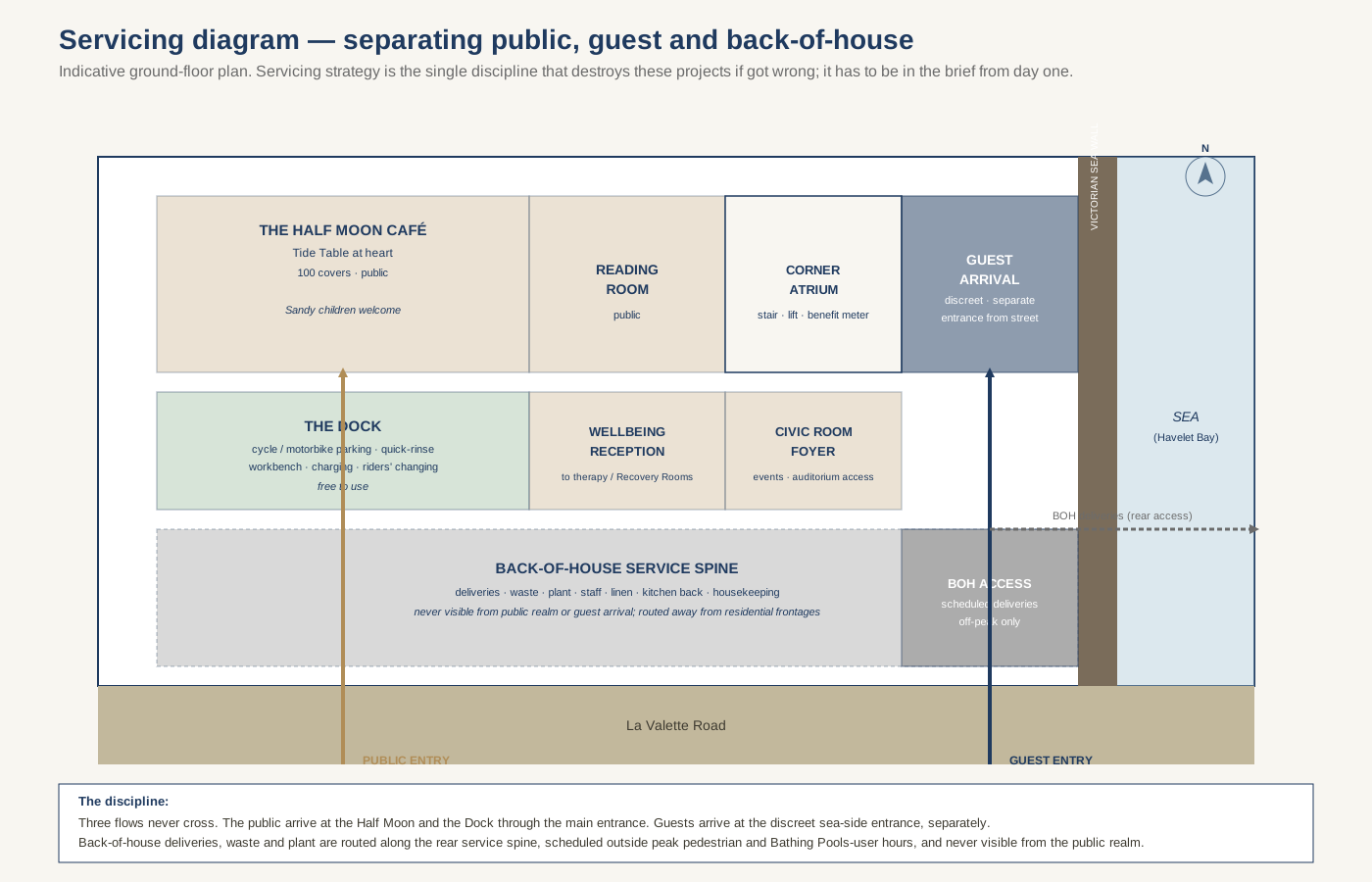
Three flows that never cross. Public, guest and back-of-house separated by design from the brief, not retrofitted later.
Most projects of this kind fail at servicing — the kitchen-back appears at the front, the bins live where the families want to sit, the guest entrance creates a hotel-lobby atmosphere that kills the public welcome. The brief commits, from day one, to keeping the three flows separate.
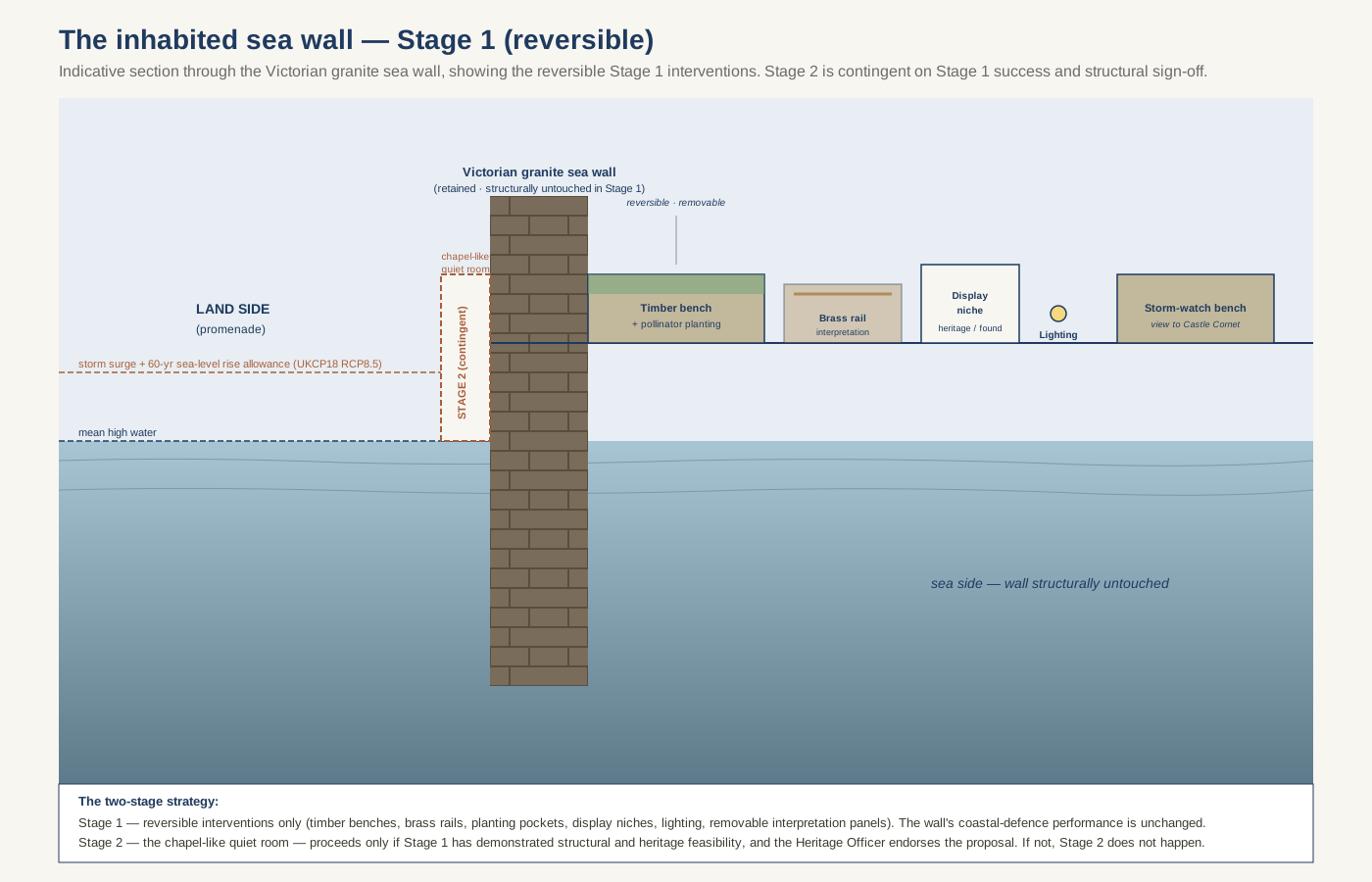
Stage 1 reversible interventions on the landward side. Stage 2 is contingent on Stage 1 success and structural sign-off.
The Victorian granite wall along the seaward edge becomes an inhabited civic backbone. Stage 1 is reversible by design — timber benches, brass rails, display niches, planting pockets, lighting. Stage 2 — a chapel-like quiet room carved into the wall's thickness — proceeds only if Stage 1 has demonstrated structural and heritage feasibility.
One of the display niches at the ground-floor entrance carries the heritage wall — photographs of the Half Moon Hotel and the Octopus restaurant, the original site plan, a brass bar plaque, and a ceramic octopus salvaged from before the fire. A brass plate below names the site's three eras and the new chapter, without dressing them up. More on the site & heritage →
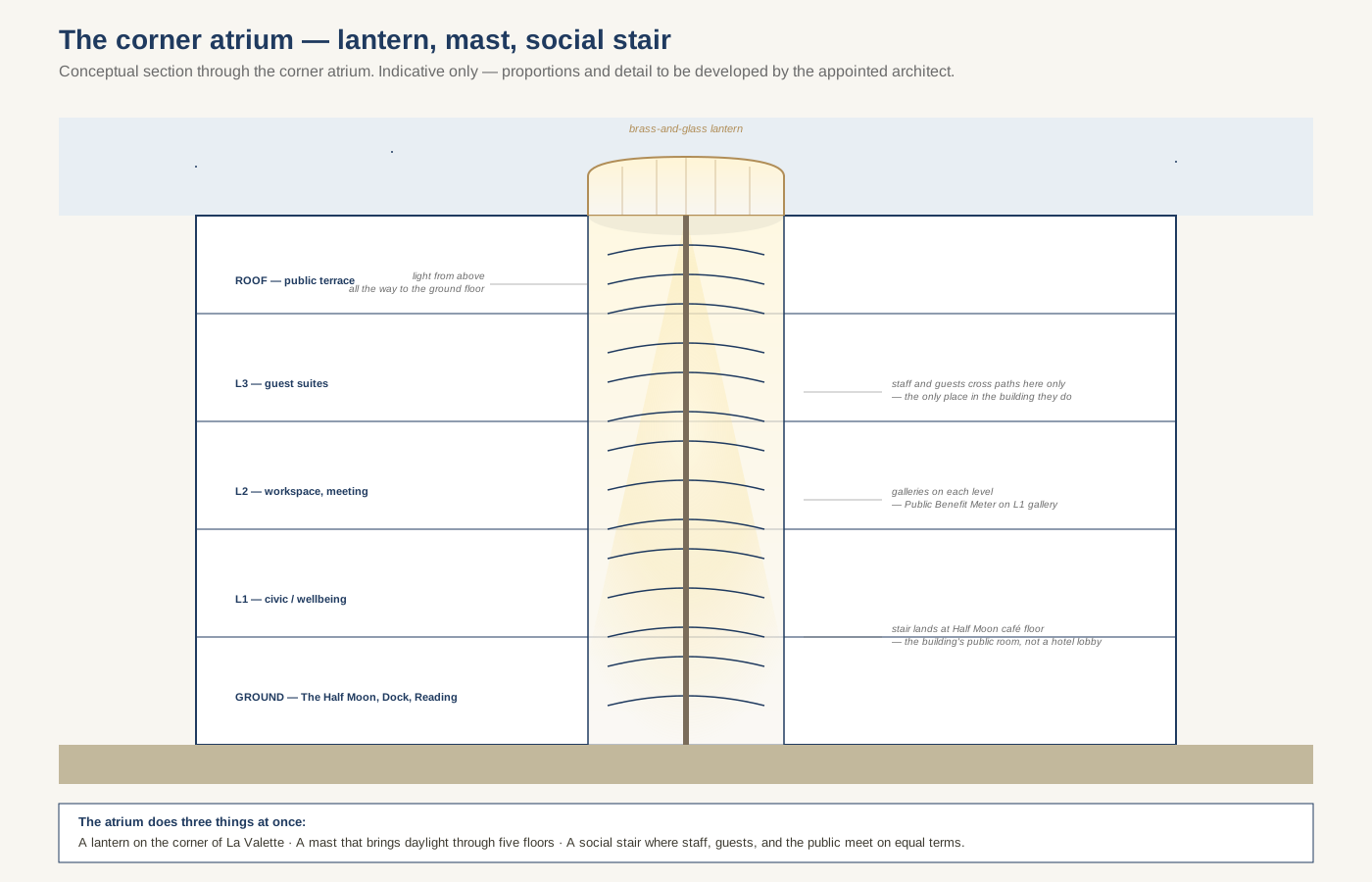
A lantern, a mast, a social stair. The light shaft from roof to ground floor.
The atrium does three things at once: a lantern on the corner of La Valette; a mast that brings daylight through five floors; a social stair where staff, guests, and the public meet on equal terms. The Public Benefit Meter sits on the L1 gallery.
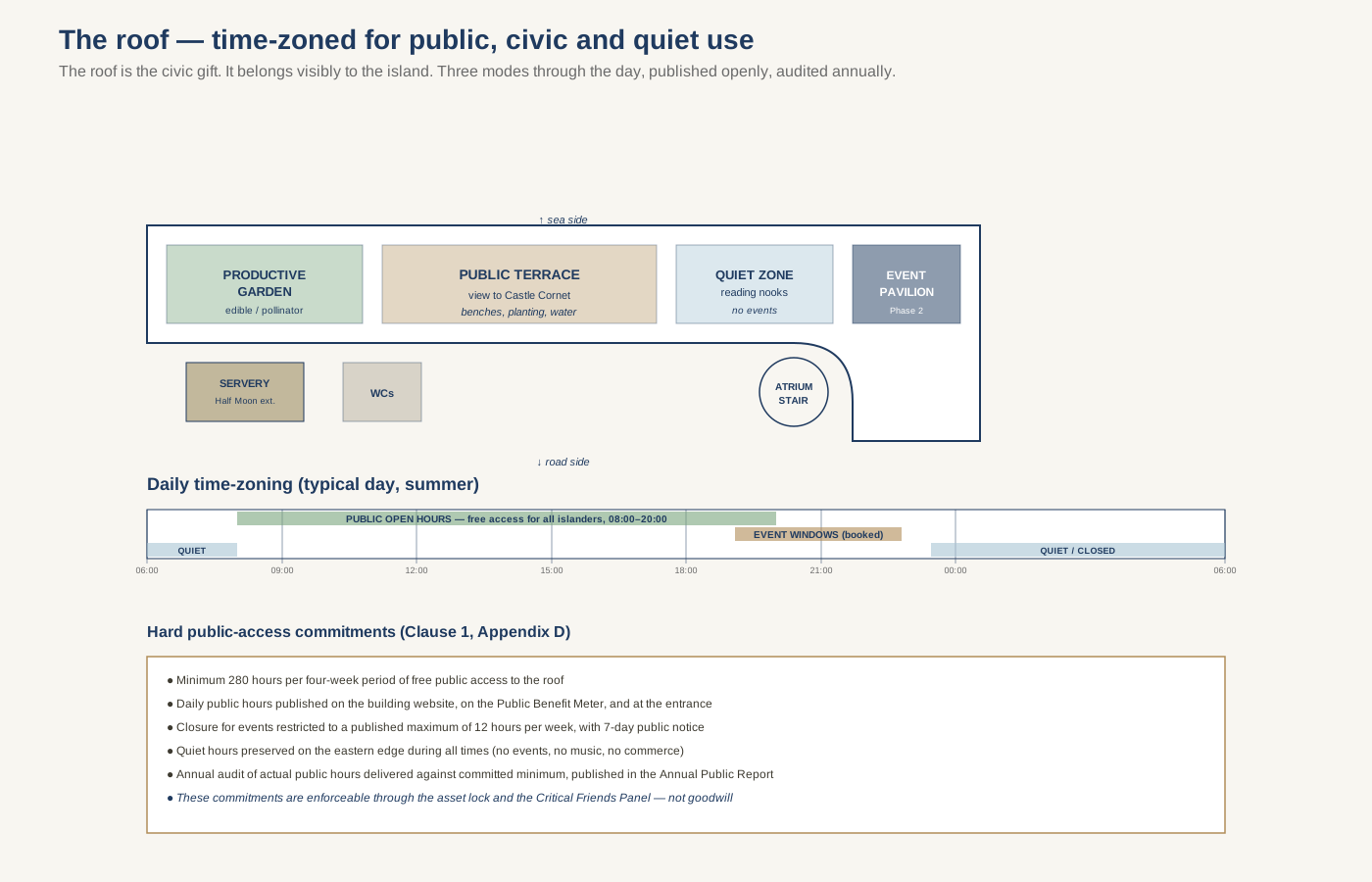
The civic gift. Daily public hours, event windows, quiet zones — published openly, audited annually.
The roof terrace carries the name of the Octopus restaurant that occupied this site before the fire. It belongs visibly to the island. Minimum 280 hours per four-week period of free public access; events restricted to a published maximum of 12 hours per week with 7-day public notice; quiet hours preserved on the eastern edge at all times. These commitments are enforceable through the asset lock and the Critical Friends Panel — not goodwill.
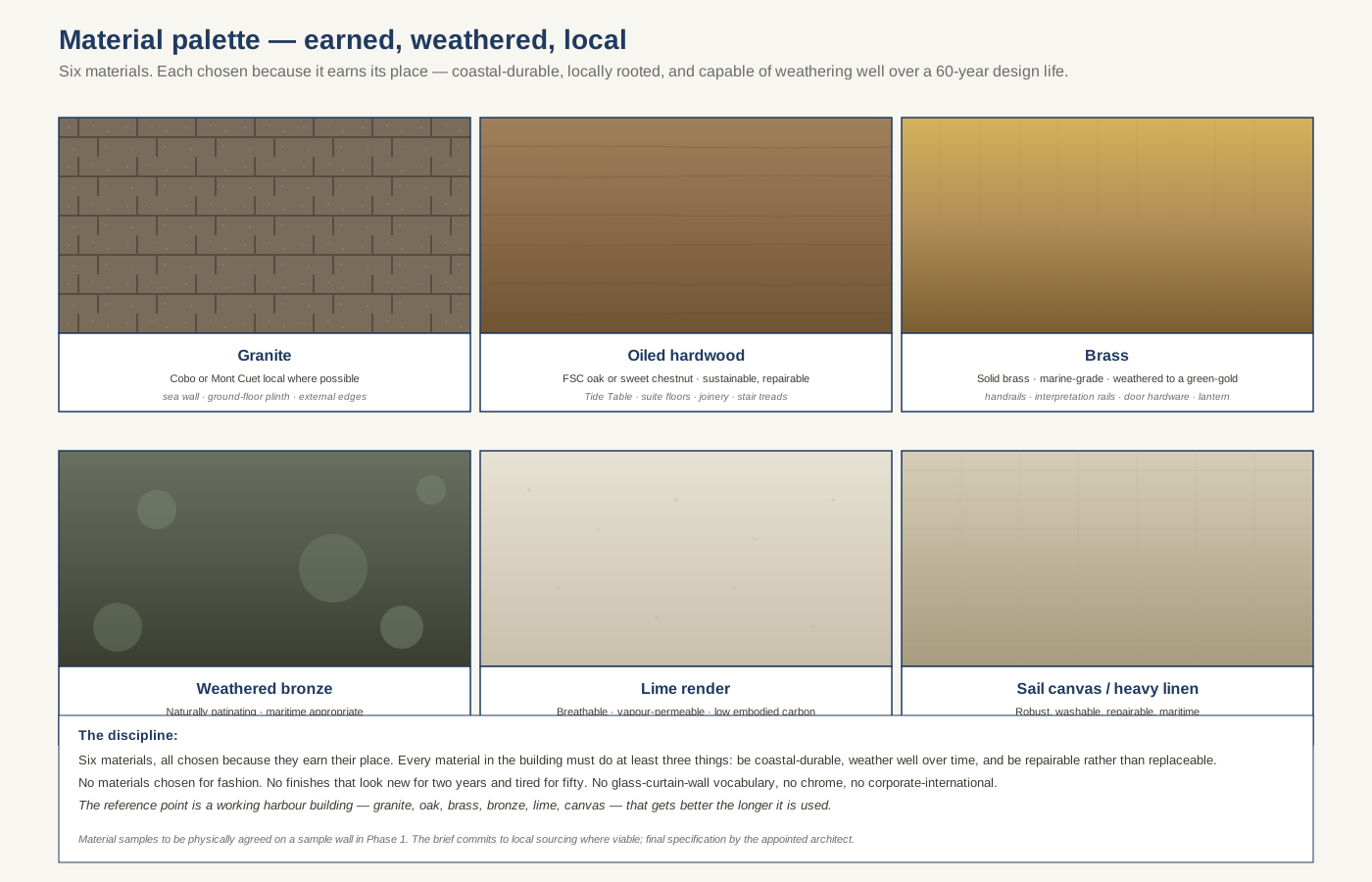
Six materials. Each chosen because it earns its place: coastal-durable, repairable, weathering well over a 60-year design life.
Granite, oiled hardwood, brass, weathered bronze, lime render, sail canvas. No materials chosen for fashion. No finishes that look new for two years and tired for fifty. No glass-curtain-wall vocabulary, no chrome, no corporate-international. The reference point is a working harbour building that gets better the longer it is used.
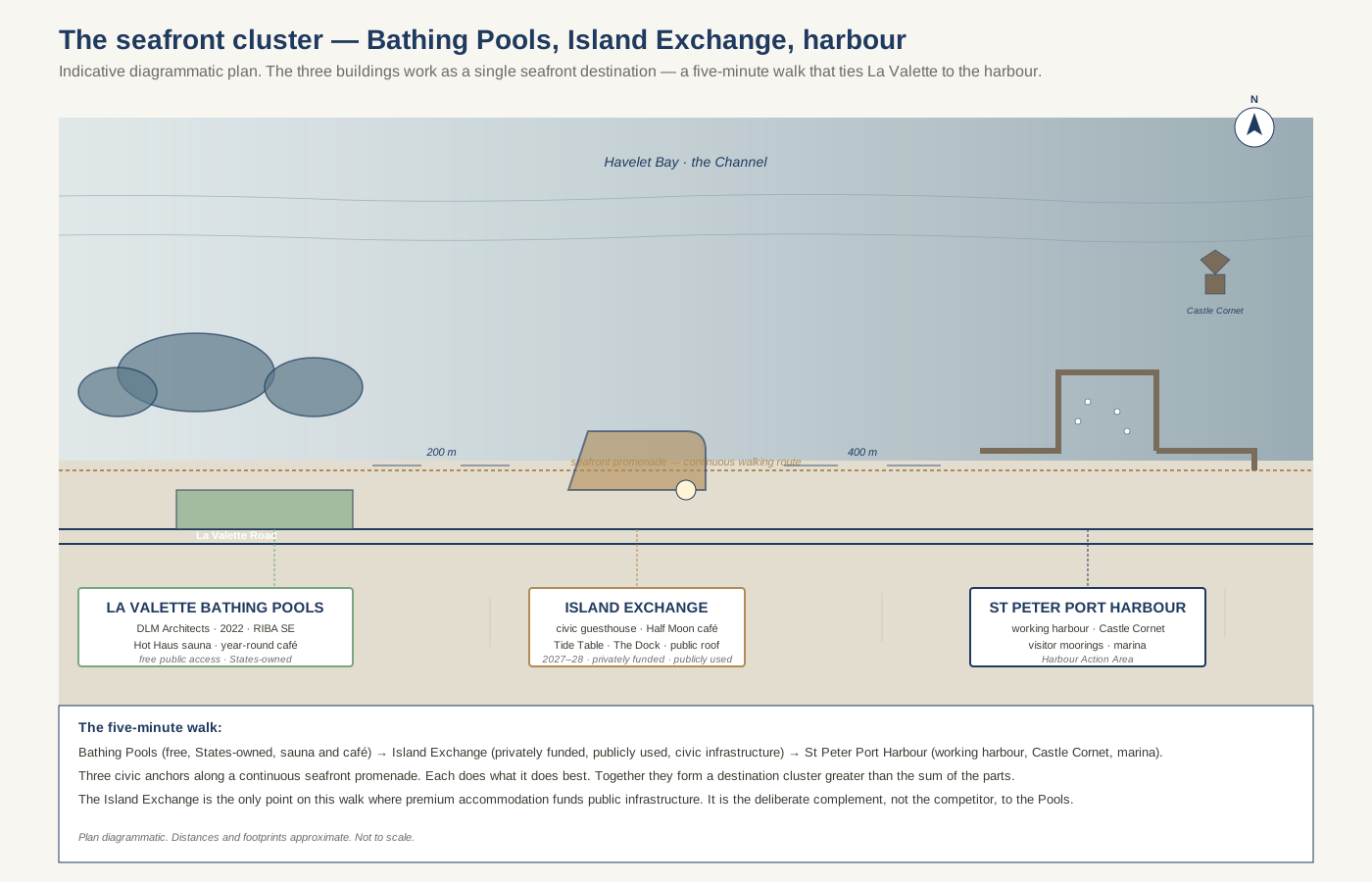
Bathing Pools, Island Exchange, harbour. Three civic anchors along a continuous five-minute promenade walk.
The Bathing Pools (free, States-owned, sauna and café) are the anchor at one end. The harbour and Castle Cornet are the anchor at the other. The Island Exchange is the only point on this walk where premium accommodation funds public infrastructure. It is the deliberate complement, not the competitor, to the Pools.
Named spaces inside the building
Each space is named with intent. The names carry the site's history forward and signal the kind of use each space is designed for.
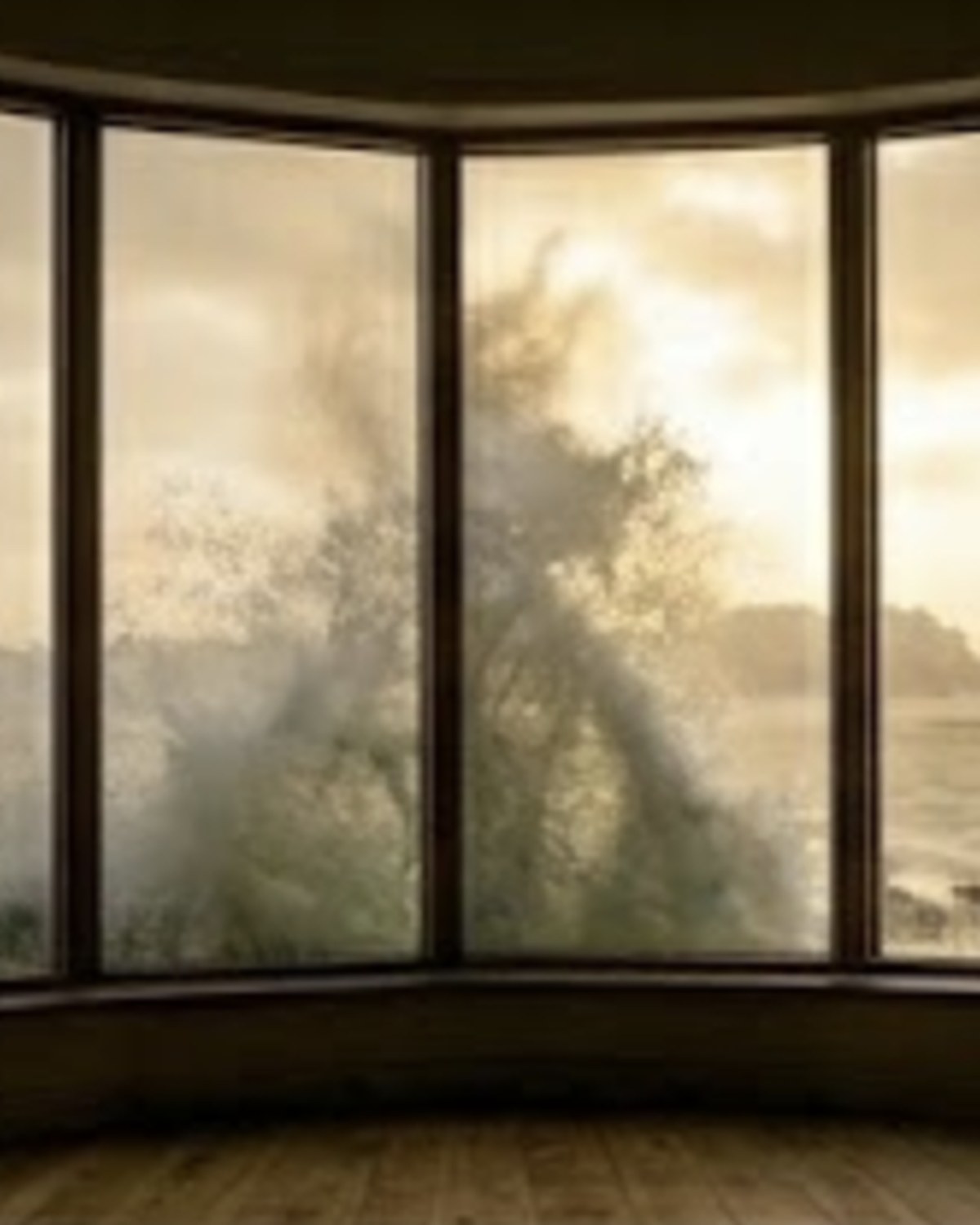
- The Half Moon Café (ground floor). Named after the original hotel. The Tide Table at the centre — a 6-metre communal table sized for twelve — is the architectural commitment to multigenerational mixing. A picture rail runs the length of the long wall above the table for informal exhibition: smaller works, school-age work, photography, makers' month takeovers. Art as part of having a coffee, not a separate trip.
- The Long Wall (atrium gallery). The full height of the atrium, visible from every floor, is the principal exhibition space — a single rotating show by one local artist at a time, roughly six weeks per show. Hung from a continuous brass picture rail at three levels with adjustable cable suspension, lit by track-mounted spots concealed in the balcony soffits. Curated by an honorary panel of island artists. Free to exhibit, free to visit, no commission on sales. The atrium is the building's spine; the Long Wall makes art impossible to miss.
- The Octopus Terrace (roof). Named after the restaurant. Public-access by default, time-zoned for events, with subtle octopus-tentacle motifs carved into the bar front and awning supports. Hosts outdoor sculpture and installation work in summer.
- The Lookout Room. Private hire and small events. Sized for board meetings, christenings, wakes, family lunches.
- The Tide Room (the working studio). A mess-tolerant making space — sink, hard-wearing floor, lockable material stores, generous worktops, north light. A roll-up shutter onto the atrium means works in progress are visible to passers-by, not hidden away. Drop-in afternoons, school sessions, evening classes, and short artist residencies — a fortnight at a time, working in public. The making counterpart to the Long Wall's showing.
- The Storm Room. The contemplative space carved into the sea wall, for grief, recovery, weather-watching, or simply needing to be alone.
- The Dock. Cyclists' and motorbikers' shelter at street level. Wash-down station, changing cubicle, bike tools.
- The Reading Room. A working civic library, used by all generations. Quiet hours 10:00–14:00 weekdays.
The art commitment
The Long Wall, the café picture rail, and the Tide Room residencies are funded from the Civic Investment Vehicle's community-hours line — not from gallery commission, not from sponsorship. Local artists exhibit free, sell direct, and keep 100% of any proceeds. The building absorbs the running cost as part of its civic obligation. This is recorded on the Public Benefit Meter alongside community hours and youth sessions hosted, and reported annually.
What these diagrams are and aren't
These diagrams set the architectural envelope and design discipline. They are deliberately diagrammatic — proportions, exact dimensions, structural details and aesthetic resolution are all to be developed by the appointed architect.
The design intent — what the building is for, how the flows separate, what the atrium does, how the roof works through the day, what materials will be used, which spaces are named and how — is what we are committing to.